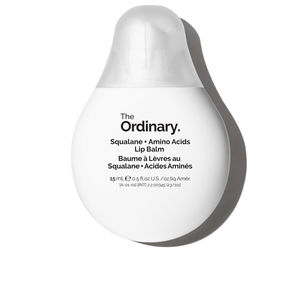
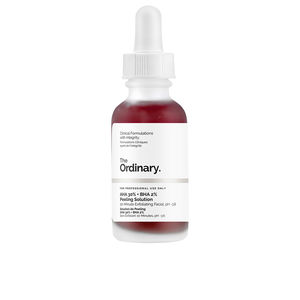
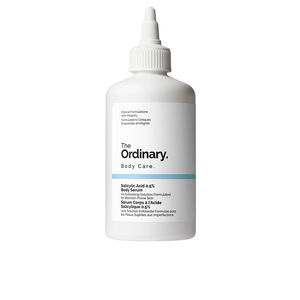
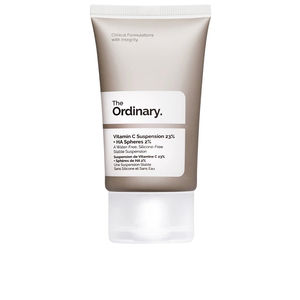
Delivery in 8-10 daysDelivery in 5-9 daysDelivery in 6-15 daysDelivery in 7-10 daysDelivery in 9-11 daysDelivery in 12-14 daysDelivery in 8-10 daysDelivery in 4-7 days
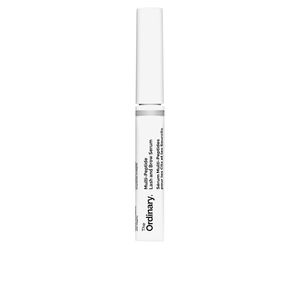
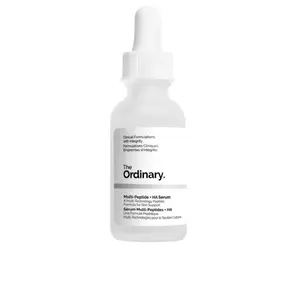
The Ordinary , DECIEM's flagship brand, has revolutionized the skincare industry with its "Clinical Integrity" approach. Its proposition is based on offering effective and transparent skincare technologies, focusing on the purity of active ingredients and straightforward formulations at accessible prices.
The architecture of their products is organized into functional categories that allow for personalized routines based on specific skin goals:
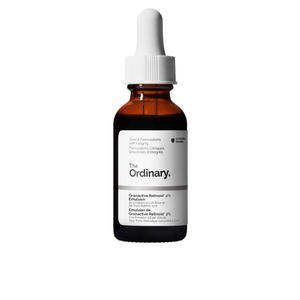
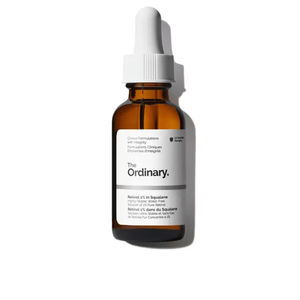
Retinoids (Vitamin A): reference actives to improve skin texture, smooth wrinkles and stimulate cell renewal.
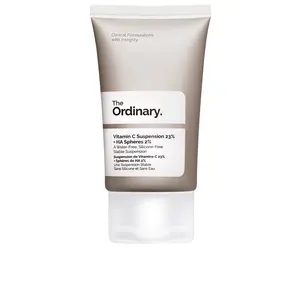
Vitamin C and antioxidants: formulations designed to brighten skin tone and protect against environmental oxidative stress.
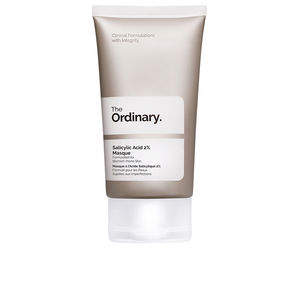
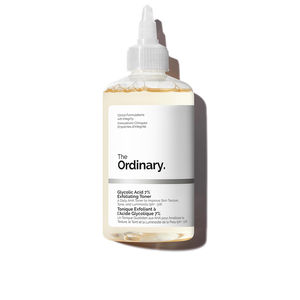
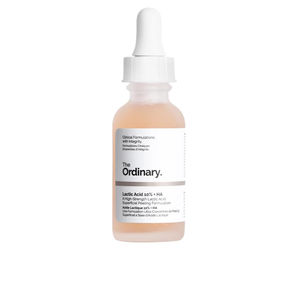
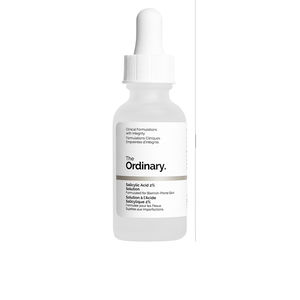
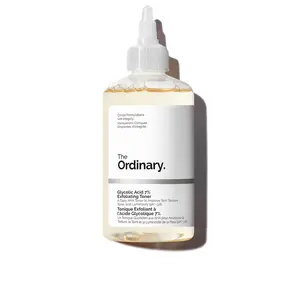
Direct acids (AHA/BHA): chemical exfoliants that promote cell renewal and help cleanse pores.
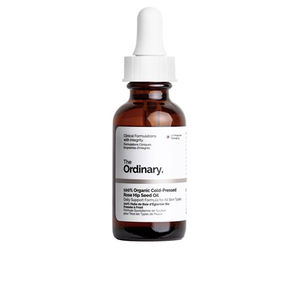
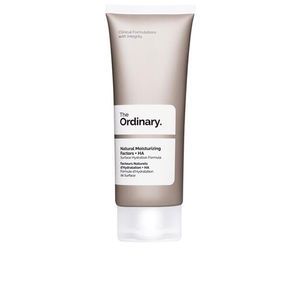
Moisturizers and oils: ingredients that strengthen the skin barrier and maintain the skin's natural hydration.
Comparative matrix of precision treatments from The Ordinary
Understanding the scientific terminology of these treatments is key to designing an advanced skincare routine. The following breakdown makes it easier to identify the function of each active ingredient and choose the right solution based on your dermatological needs: from controlling excess sebum to deep hydration or improving skin texture.
One of the biggest challenges when using The Ordinary treatments is the correct combination of active ingredients. Following the proper order helps avoid irritation and maximize the effectiveness of each formula.
Application order
The general rule is to apply the lighter texture or water-based formulas first and finish with the denser ones.
Step 1: Facial cleansing.
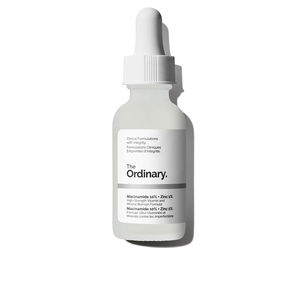
Step 2: Aqueous serums (e.g., niacinamide or hyaluronic acid).
Step 3: Moisturizing oils or creams to seal in hydration.
Ingredient conflicts
Some active ingredients should not be used in the same routine to avoid irritation or reduced effectiveness:
Vitamin C + retinoids: it is recommended to use vitamin C in the morning and retinol at night.
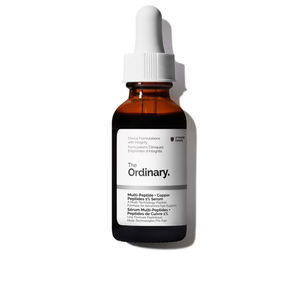
Copper peptides + direct acids: avoid combining them with strong AHA/BHA exfoliants or pure vitamin C.
Niacinamide + Vitamin C: Although not dangerous, it is recommended to use them in separate routines to maximize the stability of the vitamin C.
The introduction of high-potency active ingredients, such as 1% Retinol or Glycolic Acid, should be gradual. The step-down method is recommended: start with applications twice a week and increase the frequency according to skin tolerance. It is essential to perform a patch test beforehand to rule out hypersensitivity.
To maintain formula stability and avoid compromising the skin barrier, the following should not be mixed in the same routine: Pure Vitamin C (L-Ascorbic Acid) with Retinoids; Copper Peptides with Direct Acids or Strong Vitamin C; or Multiple high-concentration exfoliating acids simultaneously.
Many chemical ingredients are photosensitizing. AHA/BHA acids and retinoids remove layers of dead skin cells, leaving the skin more exposed to UV radiation. Without broad-spectrum sunscreen during the day, the risk of hyperpigmentation and sun damage increases.
Each active ingredient requires a specific pH range to work. For example, chemical exfoliants (AHAs/BHAs) need an acidic pH (between 3.0 and 4.0) to be effective. Mixing products with very different pH levels can neutralize their activity, so it's vital to respect the order in which serums are applied.

 Vegan
Vegan Best prices
  Viral
Viral Flash
Flash