Delivery in 8-10 daysDelivery in 5-9 daysDelivery in 6-15 daysDelivery in 7-10 daysDelivery in 9-11 daysDelivery in 12-14 daysDelivery in 8-10 daysDelivery in 4-7 days
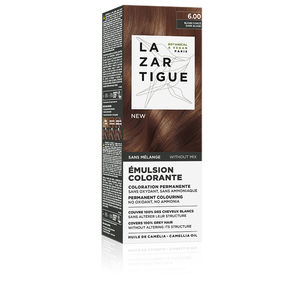
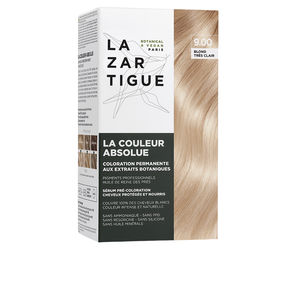
Esta ha sido la selección de productos de Colouring and Bleaching de Lazartigue que te hemos propuesto. Además, puedes ver toda la gama de productos de Lazartigue y encontrar todo lo que necesitas para tu rutina. Si no encuentras un producto que se ajuste a tu necesidad háznoslo saber a través de nuestro formulario de contacto y te atenderemos con la mayor brevedad posible
Coloring and bleaching: fashion, aesthetics and youth
Today, our society is very focused on personal image and a youthful appearance, and more and more people are regularly dyeing their hair. The cosmetics industry, and hair dyes in particular, is constantly evolving to offer innovative products that also protect hair, taking into account quality, non-toxicity, and environmental responsibility.
One of the most versatile tools for hairdressing professionals, and one of the most appealing fields, is working with hair color. In the past, coloring methods were rudimentary and based on natural compounds, unlike today, when the active ingredients are known and the final result of the dye can be predicted, thanks to the evolution of modern cosmetics.
Hair color changes can also occur naturally. Natural hair color is not static but dynamic, undergoing various changes throughout life. The production of melanin, the pigment responsible for hair color, varies throughout a person's life, resulting in significant changes in skin and hair pigmentation. Before dyeing our hair, the first step is to carefully choose the desired color. Once the desired shade is selected, it's essential to understand the corresponding numbering system.
Types of hair coloring
Permanent hair color is the only type that completely covers gray hair and allows for a total color change. These dyes contain ammonia and an oxidizing agent, essential for locking in the color and preventing it from washing out. This type of coloring requires maintenance every 4 to 5 weeks due to the roots becoming visible as the hair grows out. These dyes do not disappear completely, and you have to wait for your hair to grow out to regain your natural color.
Temporary hair color is that which remains in the hair until the next wash after application. The molecules that make up these dyes are large organic compounds that resist humidity and brushing, but not enough to withstand the detergents in shampoo.
Semi-permanent hair dyes are chemical compounds designed to last between 20 and 28 washes, depending on the specific product. They are direct dyes that don't require chemical reactions to color the hair; they don't change the original hair color but rather slightly darken the base tone. They don't contain ammonia, so they won't lighten your hair, but they do add a very natural shine and enhance your natural hair color.
Bleaching involves removing all or part of the hair's natural color. It's used when you want to lighten natural hair by more than four shades and dyed hair by two shades. First, you need to bleach the hair to remove the pigment and turn it white, so you can then apply the desired color.
The highlighting technique is used to pigment certain strands of hair, minimizing damage and achieving very subtle effects. This technique can create many effects, such as gently lightening the natural tone, styling, lightening the ends, and more.
Stripping is the technique used to remove the remaining compounds used in hair coloring that could interfere with the coloring process. The reducing agents used to remove artificial pigments from the hair will depend on the type of dye used.
Recommendations for hair coloring
Below, we will provide a series of recommendations and tips to follow for the care of your scalp when coloring your hair:
Before using any coloring product, we recommend that you do an allergy test to find out if your body is allergic to any of the components that formulate the dye.
Follow the instructions detailed for each dye and remember to use protective gloves for your hands.
The day before coloring your hair, it's important to wash your hair with a nourishing shampoo to revitalize it.
After coloring your hair, be sure to take care of it with products for color-treated hair and, if you are going to be in the sun, use products that contain sunscreen.
Once the dyeing process is complete, remove any stains or dye residue that may remain on the skin.
To help the color set better, apply nourishing masks all over your hair.
If it's your first time coloring your hair, avoid colors that are too dark or aggressive, because you'll need some time to adjust to your new look.
Avoid coloring your hair too often, as these types of products damage it.

 Vegan
Vegan Best prices
  Viral
Viral Flash
Flash











 (110)
(110)




 (56)
(56)